
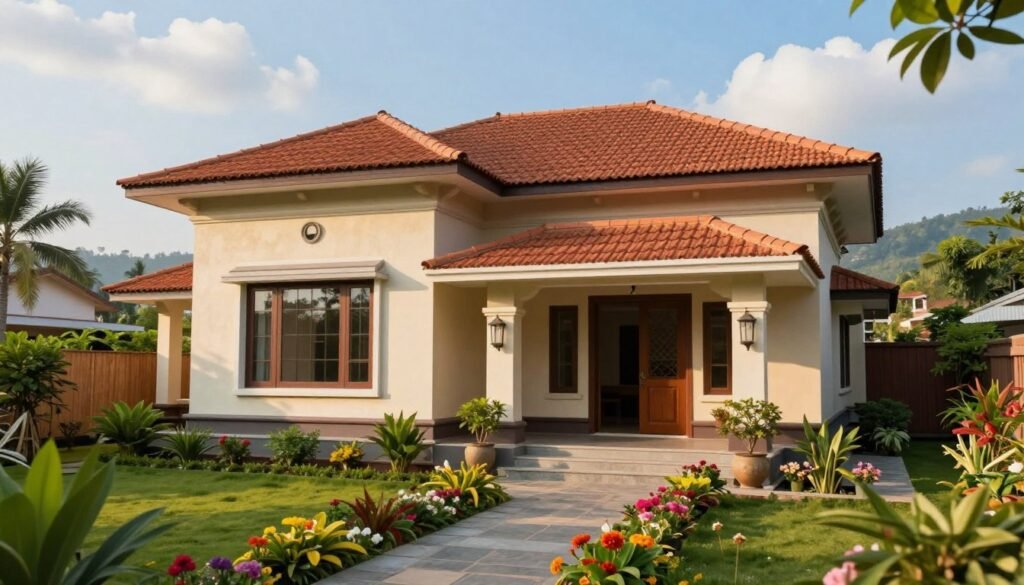
Did you know that nearly 30% of homeowners report feeling a significant shift in their daily productivity simply by adjusting their interior layout? While many people focus on aesthetics, the ancient practice of North-Facing Home Vastu offers a unique framework for balancing energy and design.
This approach combines traditional directional principles with modern architectural needs. It is often linked to increased wealth and better communication, yet orientation alone does not guarantee success. You must pair these concepts with practical decisions to see real benefits.
Applying north-facing home vastu requires a thoughtful balance between cultural beliefs and your local climate. Our guide explores essential north-facing house vastu tips, covering everything from entrance placement to room colors. We encourage you to blend these ancient guidelines with professional advice to ensure your living space remains comfortable, functional, and aligned with modern building codes.
Key Takeaways
- Understand the connection between directional orientation and personal well-being.
- Learn how to optimize your entrance for better energy flow.
- Discover the importance of balancing tradition with modern architectural standards.
- Explore practical remedies for common layout challenges.
- Prioritize household comfort alongside ancient design principles.
Understand Why North Orientation Matters in Vastu
When you look at your home, the direction of the main entrance acts as a compass for the energy flowing into your life. Many people find that aligning their living space with natural forces creates a sense of peace and purpose. By learning the principles of vastu for north-facing homes, you can transform your environment into a supportive sanctuary.
How Vastu Shastra Defines a North-Facing Home
A home is considered north-facing if the main entrance is located on the north wall. However, it is vital to verify this with a reliable compass rather than relying on guesswork. Vastu shastra for north-facing homes relies on precise measurements to ensure the energy flow remains unobstructed.
Even a slight tilt can change the energetic signature of your property. Always confirm your orientation to ensure you are applying the correct guidelines for your specific layout.
Why the North Direction Is Associated With Opportunity and Flow
In traditional teachings, the North is governed by the planet Mercury and the element of water. This direction is often linked to clear communication, mental clarity, and financial growth. Many practitioners believe that an open, welcoming north entrance invites positive opportunities into the household.
“The home should be the treasure chest of living, a place where the energy of the universe finds a quiet corner to rest and rejuvenate.”
This association with flow suggests that the North acts as a gateway for prosperity. When the entrance is kept clean and inviting, it is said to facilitate the smooth movement of both people and ideas.
How Location, Climate, and Personal Needs Affect Vastu Planning
While ancient texts provide a foundation, your local environment plays a significant role in how you apply these rules. For instance, a home in a sunny, warm climate may benefit from the cooling energy of the North. Conversely, in regions with limited winter sunlight, you might need to adjust your design to ensure the space remains warm and inviting.
Always prioritize your household’s comfort and daily routines over rigid rules. Vastu shastra for north-facing homes is meant to be a flexible guide that adapts to your lifestyle, local building codes, and accessibility requirements. By balancing tradition with practical reality, you create a home that truly serves your needs.
Learn the Core Principles of North-Facing Home Vastu
The secret to a balanced home lies in how you treat the northern, northeastern, and northwestern sectors. Rather than viewing the entire northern side as a single block, it is helpful to recognize that each zone serves a unique purpose in North-Facing Home Vastu. By understanding these subtle differences, you can create a living environment that feels both grounded and expansive.

Balance the North, Northeast, and Northwest Zones
Each of these three areas influences the flow of energy differently. The Northeast is often considered the most sacred, while the North governs career opportunities and the Northwest supports social connections and movement.
- Northeast: Best reserved for quiet activities like meditation or prayer.
- North: Ideal for open living spaces that invite new possibilities.
- Northwest: Perfect for guest rooms or areas requiring flexible energy.
Applying these north-facing home vastu principles ensures that no single zone becomes overwhelmed by heavy furniture or stagnant energy. When you respect these boundaries, you allow the natural flow of the home to remain vibrant and supportive.
Keep the North and Northeast Light, Open, and Uncluttered
To maximize the benefits of your space, keep the North and Northeast sectors as open as possible. Clutter acts as a barrier to positive energy, so it is essential to maintain clean surfaces and clear pathways.
“A home that breathes is a home that thrives; keep your spaces light and your intentions clear.”
Following these north-facing home vastu guidelines helps improve natural ventilation and daylight distribution. By limiting heavy storage in these areas, you create a sense of ease that makes daily navigation much more comfortable for your entire family.
Use the Center of the Home for Balanced Energy and Movement
The center of your house acts as the heart of your living space. In traditional practice, this area should remain a practical movement zone that connects all other rooms. Avoid placing heavy construction or permanent fixtures here to ensure that energy can circulate freely throughout the floor plan.
By keeping the center clear, you reinforce the effectiveness of your north-facing home vastu guidelines. A balanced center promotes a sense of stability, making your home feel more cohesive and welcoming every single day.
Assess the Property Before Applying Vastu Guidelines
A successful home project starts with a deep understanding of your land’s unique characteristics. Before you start drafting blueprints, you should conduct a thorough site analysis to ensure your plans align with north-facing house vastu tips. This initial phase helps you identify potential challenges early, saving you time and money during the construction process.
Confirm the Property’s True North With a Reliable Compass
Precision is vital when determining the orientation of your land. Use a high-quality magnetic compass or a professional surveying tool to find the exact North point. Relying on a smartphone app might be convenient, but a dedicated professional compass often provides more accurate readings for large plots.
Once you identify the true North, mark it clearly on your site map. This reference point serves as the foundation for all your future design decisions. Accurate alignment is one of the best vastu tips for north-facing houses because it dictates the placement of your main entrance and key living areas.
Evaluate the Plot Shape, Slope, and Surrounding Roads
The physical shape of your land significantly influences the flow of energy. Ideally, a square or rectangular plot is preferred for its stability and balanced distribution of space. If your plot has irregular corners, you may need to adjust your building footprint to maintain harmony.
Observe the natural slope of the ground as well. A downward slope toward the North or Northeast is generally considered auspicious. Additionally, consider the location of surrounding roads, as these act as channels for energy flow. These vastu tips for north-facing properties emphasize that a road located on the North side of your plot is highly beneficial for prosperity.
Check Natural Light, Drainage, Ventilation, and Neighboring Structures
Your home should work in harmony with the local environment. Assess how sunlight hits your plot throughout the different seasons to maximize natural warmth and light. Proper drainage is equally important; ensure that water flows away from the center of the plot to prevent moisture issues.
Consider the impact of neighboring buildings on your privacy and airflow. Cross-ventilation is essential for a healthy home, so position your windows to capture prevailing breezes. Always prioritize local building codes and structural safety alongside your design goals.
| Assessment Factor | Ideal Condition | Impact on Vastu |
|---|---|---|
| Plot Shape | Square or Rectangular | High Stability |
| Ground Slope | North/Northeast decline | Positive Energy Flow |
| Road Location | North or East side | Increased Opportunity |
| Drainage | Away from center | Health and Wealth |
Plan the Main Entrance for a North-Facing House
Your front door acts as the mouth of your house, welcoming prosperity and light. When you apply North-Facing Home Vastu, the entrance becomes the most critical feature for inviting positive energy. It is not just about where the door sits, but how it functions and feels to those who enter.

Choose a Favorable Entrance Position Along the North Wall
Many people mistakenly believe the door must be exactly in the center of the wall. Instead, you should divide the north wall into nine equal segments, known as padas. These segments help you identify the most auspicious spots for your entry.
Traditional vastu tips for north-facing properties suggest focusing on the fourth and fifth padas. These areas, often associated with deities like Soma and Bhallat, are believed to attract wealth and growth. Always consult with a professional to ensure your measurements align with the specific geometry of your plot.
| Entrance Pada | Energy Association | Recommendation |
|---|---|---|
| 1st & 2nd | Neutral | Acceptable |
| 3rd, 4th, 5th | Prosperity | Highly Recommended |
| 6th to 9th | Challenging | Avoid if possible |
Keep the Door Proportional, Well-Maintained, and Easy to Open
A door that sticks or squeaks can disrupt the flow of energy in your home. Ensure your main door is proportional to the size of the house and opens smoothly without any resistance. High-quality hinges and secure, functional locks are essential components of effective North-Facing Home Vastu.
“The threshold is the bridge between the outer world and your inner sanctuary; keep it clear to invite harmony.”
Check your door regularly for signs of wear or damage. A well-maintained entrance reflects your commitment to a balanced living environment. If the door is too small, it may restrict the flow of opportunities, while an oversized door can feel overwhelming.
Improve the Entryway With Lighting, Cleanliness, and Welcoming Materials
Your entryway should be a bright and inviting space that signals safety to visitors. Use warm, welcoming lighting to illuminate the path leading to your door. Keeping this area free of clutter is one of the most practical north-facing house vastu tips you can implement today.
Choose durable, natural materials for your doorstep to ground the energy of the home. Adding a clear, visible address marker helps visitors find you easily and adds a sense of order. By following these vastu tips for north-facing properties, you create a space that feels both grounded and open to new possibilities.
Arrange the Floor Plan Room by Room
Strategic room placement transforms a house into a supportive sanctuary for your family. By aligning your interior layout with North-Facing Home Vastu, you can ensure that every corner of your living space serves a specific, beneficial purpose. A thoughtful floor plan balances active zones with areas meant for rest and spiritual growth.
Place the Living Room in a Supportive North, Northeast, or Northwest Zone
The living room acts as the heart of your home, where social energy flows freely. Placing this space in the North, Northeast, or Northwest zones encourages positive interactions and keeps the atmosphere light. Openness and natural illumination are key to maintaining the vibrant energy required for these social areas.
Design the Primary Bedroom for Stability in the Southwest
While the front of the house thrives on movement, your primary bedroom requires a sense of grounding. According to vastu shastra for north-facing homes, the Southwest corner is the ideal location for the master suite. This placement provides the stability and restfulness needed for a peaceful night of sleep.
“A home should be the treasure chest of living, where every room reflects the harmony of its inhabitants.”
Use the Northeast for Meditation, Prayer, or Quiet Reflection
The Northeast corner is considered the most sacred space in your residence. It is perfect for a dedicated meditation room or a small prayer altar. Keeping this area clean, quiet, and free from heavy furniture allows you to focus on your spiritual well-being without distraction.
Position Children’s and Guest Bedrooms According to Use and Household Needs
When applying vastu for north-facing homes, flexibility is essential for secondary rooms. Children’s bedrooms often benefit from the East or Northwest, as these areas receive gentle morning light. Guest rooms can be placed in the Northwest or West, ensuring comfort for visitors while maintaining the overall balance of your floor plan.
Consider the following table to help organize your home layout effectively:
| Room Type | Recommended Zone | Primary Benefit |
|---|---|---|
| Living Room | North / Northeast | Social Harmony |
| Primary Bedroom | Southwest | Stability & Rest |
| Prayer Room | Northeast | Spiritual Clarity |
| Guest Bedroom | Northwest | Comfort & Flow |
Remember that your home should adapt to your lifestyle. While these guidelines provide a strong foundation, you should always prioritize your family’s comfort and daily routines. A balanced home is one where practicality meets ancient wisdom in a way that feels natural to you.
Apply Vastu to Kitchens, Bathrooms, Staircases, and Utilities
Proper placement of kitchens, bathrooms, and staircases significantly impacts the energy flow within your residence. By following north-facing home vastu guidelines, you can ensure that these functional areas support rather than hinder your daily life. Thoughtful planning helps maintain a clean, efficient, and peaceful atmosphere throughout your property.
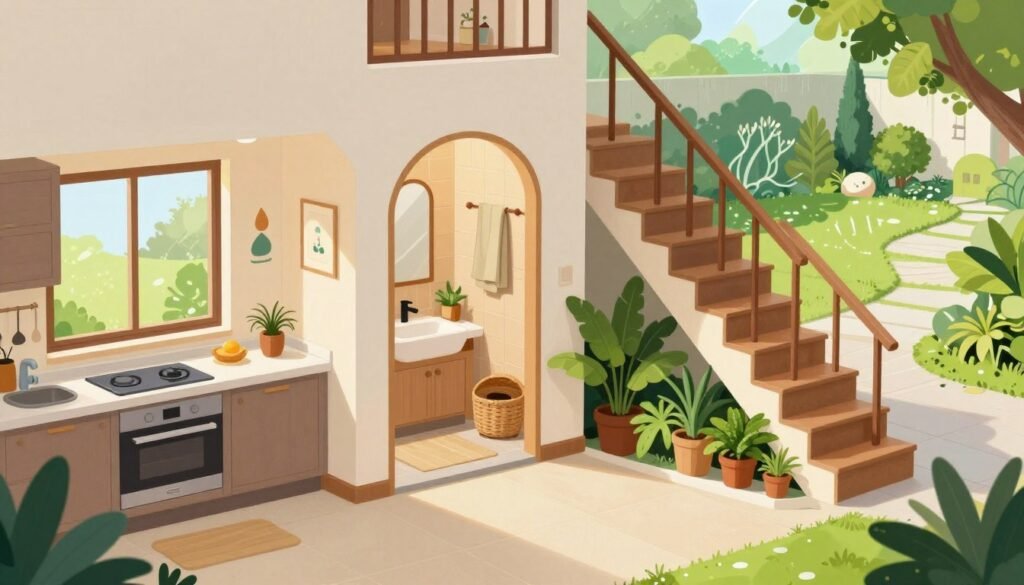
Locate the Kitchen in the Southeast or Northwest When Possible
The kitchen is the heart of the home, representing the fire element. According to vastu shastra for north-facing homes, the Southeast corner is the most auspicious location for your cooking area. If this is not feasible due to your floor plan, the Northwest corner serves as a highly effective alternative.
Separate Fire, Water, and Food Preparation Areas Thoughtfully
To maintain safety and harmony, you should keep fire and water elements distinct. Avoid placing your stove directly next to the sink, as this creates a clash of energies. Vastu for north-facing homes suggests keeping food preparation surfaces clean and well-ventilated to ensure a smooth workflow.
“Balance is the key to a harmonious home; when every element is placed with intention, the space naturally supports the well-being of its inhabitants.”
Place Bathrooms Away From the Northeast and Central Zones
Sanitation areas require careful consideration to prevent negative energy accumulation. You must keep bathrooms away from the Northeast corner and the center of your home, as these areas are reserved for positive, light energy. Prioritize north-facing home vastu guidelines by ensuring these rooms have proper drainage, waterproofing, and exhaust systems for easy maintenance.
Plan Staircases, Elevators, and Heavy Storage in Suitable Areas
Heavy structures like staircases, elevators, and storage units are best placed in the Southern or Western zones of the house. This placement provides stability and keeps the lighter, more open areas of the North and Northeast free from obstruction. When applying vastu shastra for north-facing homes, always prioritize structural safety and accessibility alongside these traditional principles.
| Utility Area | Recommended Zone | Reasoning |
|---|---|---|
| Kitchen | Southeast or Northwest | Supports fire element balance |
| Bathrooms | West or South | Avoids blocking positive energy |
| Staircases | South or Southwest | Provides structural stability |
| Heavy Storage | South or West | Keeps North/Northeast light |
By integrating these vastu for north-facing homes practices, you create a home that is both functional and energetically sound. Remember that consistency in maintenance is just as important as the initial placement of your utilities.
Choose Colors, Materials, Lighting, and Décor Carefully
Creating a harmonious living space starts with the thoughtful selection of colors and materials. When you focus on the interior design of your residence, you align your environment with the principles of North-Facing Home Vastu. These choices influence how energy moves through your rooms and how you feel while spending time at home.
Use Light, Fresh Colors in North and Northeast Spaces
The northern and northeastern zones of your home thrive on brightness and clarity. Using a restrained palette helps maintain the invigorating energy associated with these directions. Consider incorporating shades like crisp white, soft cream, pale blue, or light green to keep the atmosphere feeling open and airy.
For a more sophisticated touch, you might integrate accents of silver, khaki, or warm gray. These colors reflect natural light effectively, which is one of the best vastu tips for north-facing houses. By avoiding dark or heavy tones in these specific areas, you ensure that the space remains welcoming and vibrant.
Select Natural Materials That Support a Calm, Balanced Interior
Incorporating natural materials is a cornerstone of effective North-Facing Home Vastu. Elements like wood, stone, cotton, linen, and clay bring a sense of grounding and warmth to your interior. These materials are breathable and help maintain a healthy indoor climate without weighing down the visual flow of your home.
“The home should be the treasure chest of living, a place where the spirit finds rest and the mind finds clarity through the harmony of its surroundings.”
Using natural textures allows you to create a balanced interior that feels both modern and timeless. When selecting furniture or decor, prioritize pieces that feel authentic and light. This approach ensures that your living space remains a sanctuary for relaxation and productivity.
Increase Daylight and Airflow Without Creating Excessive Glare
Maximizing natural light is essential, but it must be managed to ensure comfort. In homes with large glass areas, you should use window treatments that allow for soft, diffused light while blocking harsh glare. Operable windows are also vital for maintaining good air filtration and ventilation throughout the day.
Implementing these best vastu tips for north-facing houses will help you maintain a comfortable temperature and a pleasant visual environment. Proper shading solutions, such as light curtains or blinds, allow you to control the intensity of the sun. This balance is key to a functional and aesthetically pleasing home.
| Zone | Recommended Colors | Natural Materials |
|---|---|---|
| North | Pale Blue, White | Wood, Cotton |
| Northeast | Cream, Soft Green | Stone, Linen |
| General Interior | Warm Gray, Khaki | Clay, Bamboo |
By following these north-facing house vastu tips, you can transform your living environment into a space that supports your well-being. Consistency in your design choices will lead to a more stable and peaceful home life. Always remember that the goal is to create a space that feels as good as it looks.
Balance the Five Elements Indoors and Outdoors
Creating a balanced living environment involves more than just furniture placement; it requires aligning the five elements of nature. By distributing solidity, warmth, and openness throughout your space, you can apply the best vastu tips for north-facing houses to improve your daily life. This framework ensures that no single energy dominates, allowing for a smooth flow of vitality.
Represent Earth, Water, Fire, Air, and Space Without Overloading One Zone
Each element corresponds to specific directions and qualities within your home. Earth represents stability, while fire brings energy and transformation. You should aim to distribute these qualities so that heavy, grounded items do not overwhelm the lighter, more open areas of your residence.
Space is just as important as the physical objects you choose to display. By keeping the center of your home clear, you allow energy to circulate freely. This approach is a core principle of vastu shastra for north-facing homes, ensuring that your living space remains breathable and calm.
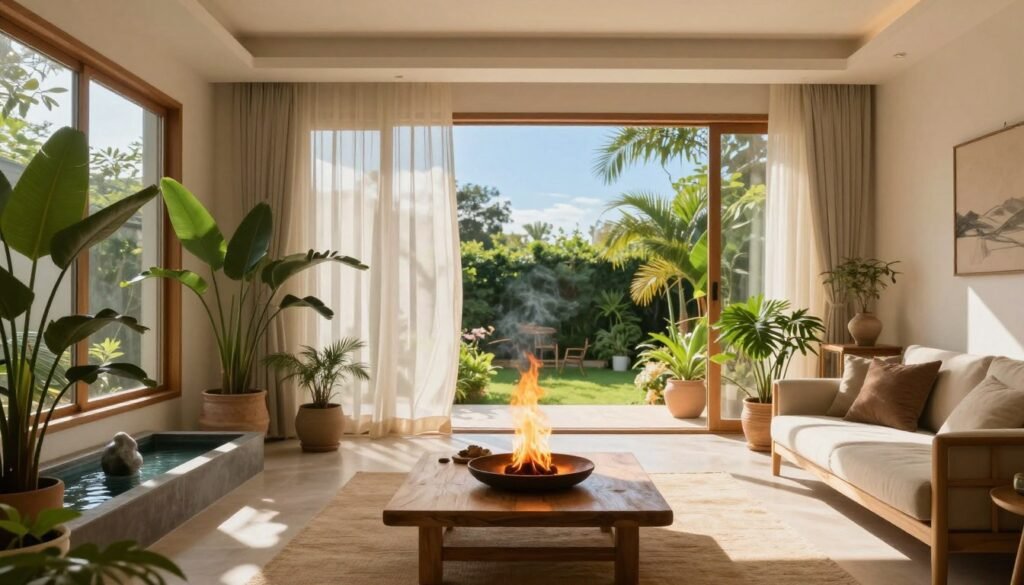
Design the Yard, Patio, and Landscaping Around Directional Balance
Your outdoor space serves as an extension of your home’s internal energy. It is wise to keep the North and East sides of your yard open and light to encourage positive growth. You might consider planting smaller shrubs or maintaining a clean lawn in these areas to maximize natural light.
Conversely, heavier landscaping features like large trees or stone walls are best suited for the South or West. These vastu tips for north-facing properties help create a sense of protection without blocking the essential morning sunlight. Always prioritize biodiversity and privacy when selecting your plants to ensure the yard remains a functional sanctuary.
Keep Water Features and Drainage in Appropriate Locations
Water is a powerful element that requires careful placement to avoid moisture issues. Fountains or birdbaths are best positioned in the North or Northeast to align with the flow of opportunity. However, you must ensure that these features do not lead to dampness near your foundation.
Effective drainage is essential for maintaining a healthy home environment. Ensure that your downspouts and irrigation systems are directed away from the house to prevent water buildup. By integrating these practical maintenance steps with your design, you protect your property while honoring the principles of elemental balance.
Use North-Facing Home Vastu Remedies for Common Imbalances
Achieving harmony in your living space is possible even when structural changes are not an option. When your home layout does not perfectly align with traditional guidelines, you can use north-facing home vastu remedies to restore balance. These adjustments are gentle, non-structural, and focus on shifting the energy flow within your rooms.
It is important to remember that these methods cannot replace professional engineering, fire safety, or proper sanitation. They serve as supportive tools to enhance your daily environment rather than fixing major architectural flaws.
Correct a Blocked North or Northeast Area With Decluttering and Light
The North and Northeast zones are vital for prosperity and clarity. If these areas are cluttered, the flow of positive energy often stalls. Start by removing unnecessary items, old boxes, or heavy furniture that blocks these pathways.
Increasing natural light is another effective way to revitalize these corners. Keep windows clean and use sheer curtains to allow sunlight to enter freely. If natural light is limited, warm, bright artificial lighting can act as a powerful substitute to keep the space feeling open and inviting.
Address an Unfavorable Entrance Without Removing the Existing Door
If your main entrance is not in the ideal position, you do not need to tear down walls or move the door. You can mitigate the impact by placing a Vastu pyramid or a protective symbol above the frame. Keeping the entryway exceptionally clean and well-lit also helps to neutralize negative influences.
Adding a bright, welcoming rug or a small plant near the door can shift the focus toward positive energy. Ensure the door opens smoothly without squeaking, as a well-maintained entrance is essential for north-facing home vastu success.
Reduce the Impact of Bathrooms, Kitchens, or Staircases in Sensitive Zones
Sometimes, heavy utilities like kitchens or bathrooms fall into the wrong sectors. To reduce their impact, keep these doors closed at all times. You can also use a heavy curtain or a decorative screen to visually separate these areas from the rest of the home.
Repairing any leaking faucets or pipes is a critical step, as water waste represents lost opportunity. By maintaining these areas with high standards of cleanliness, you minimize the disruption to the home’s overall energy field.
Use Color, Metal, Wood, Plants, and Spatial Adjustments as Gentle Remedies
Color plays a significant role in balancing your home. Use light, fresh tones like soft blues, greens, or whites in the North to encourage a sense of calm. Incorporating natural materials such as wood or metal accents can further stabilize the environment.
Plants are excellent for adding life to stagnant corners, while salt bowls can help absorb negative energy. Below is a summary of common adjustments you can implement today.
| Issue | Gentle Remedy | Primary Benefit |
|---|---|---|
| Blocked Northeast | Decluttering & Mirrors | Expands energy flow |
| Misplaced Kitchen | Closed doors & Screens | Contains fire energy |
| Heavy Storage | Relocation to Southwest | Restores balance |
| Dull Entryway | Bright lighting & Plants | Welcomes opportunity |
Applying these north-facing home vastu techniques requires patience and consistency. By focusing on small, intentional changes, you create a supportive home that fosters well-being and peace for everyone in the household.
Follow a Practical Implementation and Maintenance Checklist
Transforming your living space into a harmonious environment requires a structured approach that prioritizes long-term stability. By following a clear sequence, you can effectively integrate vastu for north-facing homes without feeling overwhelmed by the process. Start by focusing on the foundational elements that dictate the flow of energy throughout your property.
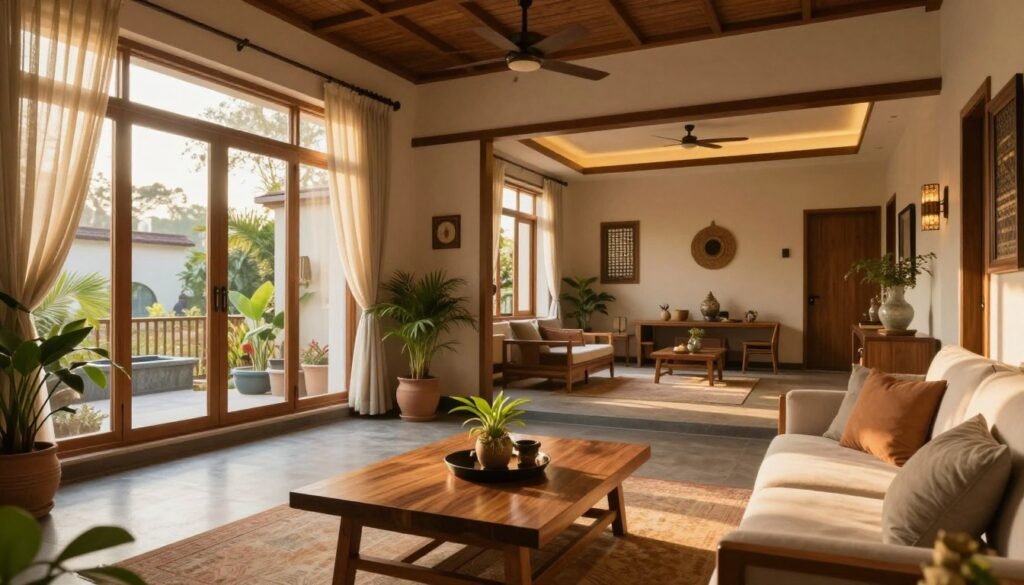
Apply the Highest-Impact Changes Before Decorative Adjustments
Begin your journey by verifying the true orientation of your home using a reliable compass. Once you have confirmed the layout, address structural safety, drainage systems, and the main entrance access before considering any aesthetic upgrades. These core north-facing home vastu guidelines serve as the bedrock for a balanced household.
After securing the structural integrity, focus on the placement of major rooms and ventilation. Prioritizing these high-impact areas ensures that your home functions efficiently on a daily basis. Only after these essential adjustments are complete should you move on to decorative north-facing home vastu remedies or interior styling.
Review Furniture Placement, Storage, Cleanliness, and Lighting Regularly
Maintenance is the secret to keeping your home’s energy vibrant and clear. Schedule a monthly walkthrough to check for furniture that might be blocking natural pathways or light sources. Removing unnecessary clutter from storage areas prevents stagnant energy from accumulating in your living space.
Pay close attention to cleanliness, as dust and debris can hinder the positive flow of air. Regularly inspect your home for leaky faucets or flickering lights, as these minor issues can disrupt the overall atmosphere. Keeping your environment tidy and well-lit is a simple yet powerful way to maintain a positive home environment.
Compare Vastu Recommendations With Household Comfort and Daily Routines
It is essential to balance traditional principles with your family’s actual lifestyle needs. Evaluate how your current layout impacts your sleep quality, work patterns, and overall accessibility. If a specific recommendation feels impractical for your daily routine, look for flexible solutions that still honor the spirit of the guidelines.
Consider the following table as a planning aid to help you track your progress and ensure your home remains a comfortable sanctuary.
| Assessment Area | Priority Level | Action Required | Frequency |
|---|---|---|---|
| Entrance Access | High | Clear obstructions | Weekly |
| Natural Lighting | Medium | Clean windows | Monthly |
| Storage Zones | Medium | Declutter items | Quarterly |
| Airflow Quality | High | Check ventilation | Monthly |
Remember that these suggestions are meant to support your well-being rather than act as rigid rules. True harmony is achieved when your home supports your personal comfort, privacy, and energy needs. Use this checklist as a flexible tool to refine your space over time, ensuring it remains a place of peace and opportunity.
Conclusion
Achieving a balanced home environment relies on verified orientation, a clear entrance, and thoughtful zoning. Successful North-Facing Home Vastu requires consistent maintenance to keep energy flowing freely through your property. Prioritize a bright Northeast, a stable Southwest bedroom, and a kitchen placed in the Southeast or Northwest.
Keep bathrooms away from sensitive zones to maintain the integrity of your floor plan. While North-Facing Home Vastu remedies can support existing layouts, these adjustments never replace professional solutions for structural, electrical, or safety concerns. Always address moisture, fire hazards, and accessibility issues with certified experts.
Combine these traditional guidelines with your local climate, household routines, and building regulations. Your personal comfort remains the most important factor when designing your living space. Consult with qualified architects or interior designers to ensure your home meets both your aesthetic goals and your functional needs.
FAQ
Is a north-facing house good or bad according to Vastu?
Where should the kitchen be in a north-facing home?
Which color is best for the front door of a north-facing house?
Can I have a bedroom in the North of the house?
What are the best vastu tips for north-facing houses to attract wealth?
Are there specific north-facing home vastu remedies for a toilet in the Northeast?
How do I identify the best vastu tips for north-facing properties if my plot is irregular?
Continue exploring
Use a related free calculator or explore the relevant Numbers Compass knowledge hub.